The ADC Paving Contractor Blog

Archive for Announcements

What Happens to Louisville Parking Lots Without Regular Commercial Pavement Maintenance?

If you own or manage a commercial property in Louisville, you already know how much wear and tear our streets and parking lots endure, especially with our freeze-thaw winters, spring rainstorms, and humid summers.

But what happens when regular pavement maintenance is overlooked?

The results aren’t just cosmetic.

Let’s take a closer look at the real-world consequences of neglecting commercial pavement maintenance and what you can do if you’ve already fallen behind.

Key Takeaways

  • Parking lots in Louisville fall apart quickly without maintenance because of cracking, standing water, and growing plant damage.
  • Faded lines, confusing layouts, and broken pavement make your business look careless and lower the property value over time.
  • A missed maintenance schedule can be fixed by assessing damage, making repairs, and restoring appearance with local help.
  • Long-term protection comes from sealcoating, restriping, routine inspections, and budgeting for Louisville’s weather and heavy traffic demands.

Surface Cracking from Freeze-Thaw Cycles

Louisville’s winter weather isn’t just chilly. It’s brutal on asphalt.

As temperatures fluctuate around freezing, water seeps into pavement cracks, expands when it freezes, and causes the asphalt to break apart.

Without regular sealing and patching, these small cracks grow quickly, especially in areas like Old Louisville or Butchertown, where large shade trees trap moisture on the pavement longer.

Left unaddressed, the surface becomes brittle and fractured, turning minor cracks into major asphalt repair jobs.

Standing Water and Drainage Failures

Many areas in Louisville—including flat lots near the Ohio River in Portland and Riverport—are especially prone to poor drainage. If pavement isn’t regularly sealcoated and regraded, it loses its water-shedding ability.

The result?

Standing water after every summer thunderstorm.

Water accelerates asphalt breakdown, attracts algae and mold, and leads to slippery, hazardous surfaces. Over time, ponding water can even undermine your lot’s foundation.

Potholes That Damage Vehicles (and Reputations)

From Shelbyville Road to Fern Valley Road, potholes are a familiar sight across Louisville’s commercial corridors. But they’re not just an inconvenience—they’re a liability.

Neglecting minor surface repairs lets water and debris compromise the base layer, causing chunks of asphalt to collapse. These potholes damage customer vehicles, pose trip hazards, and may expose your business to legal claims.

For commercial properties near high-traffic zones like Jefferson Mall or Dixie Highway, that risk multiplies quickly.

Faded Striping and Confusing Layouts

If your parking lot hasn’t been restriped in the last couple of years, customers might be confused about where to park—or worse, where not to. Louisville’s UV-heavy summers fade paint fast, especially in open lots near the Expo Center or Waterfront Park.

Poor visibility leads to inefficient parking, blocked fire lanes, ADA compliance issues, and frustrated patrons. It sends the wrong message about your business before customers even walk through the door.

Weed Growth Through Asphalt Joints

In neighborhoods like Highlands or Germantown, where lots are often bordered by landscaping or older structures, weeds love to find their way through neglected cracks.

Without regular maintenance and sealing, aggressive local plants like crabgrass or dandelions grow through asphalt joints, pushing the pavement apart. This not only looks unprofessional but also accelerates structural damage.

Left untreated, plant roots can break apart even thick asphalt surfaces over time.

Loss of Curb Appeal and Property Value

Your parking lot is often the first thing customers see, and it sets the tone. A poorly maintained lot can make even a thriving business appear untrustworthy or rundown.

In competitive areas like NuLu or the East Market District, visual appeal matters.

Broken pavement, faded lines, and debris buildup suggest neglect and drive down perceived property value. Worse yet, it can discourage potential tenants or buyers if you’re managing a multi-unit property or retail strip.

What to Do If You’ve Missed Regular Pavement Maintenance

It’s not the end of the world if you’ve fallen behind on your commercial pavement maintenance. But time is critical. The longer you wait, the more expensive the repairs become.

Here’s how to take back control of your parking lot’s condition.

Assess Current Damage with a Local Professional

Start by getting a professional inspection from a Louisville-based paving expert.

Whether your lot is in J-Town or the Highlands, a local contractor understands regional climate patterns and can spot issues unique to our area, like salt damage from winter plowing or algae growth near Beargrass Creek.

A thorough evaluation will identify both surface-level wear and deeper structural problems.

Prioritize Critical Repairs First

Don’t try to fix everything at once. Focus on immediate hazards. Potholes in high-traffic areas like Bardstown Road should be patched before a customer’s suspension system takes the hit. Likewise, drainage issues near entryways can pose safety risks.

Tackling the most urgent issues first prevents further damage and helps spread out your investment.

Sealcoat and Re-Stripe to Restore Appearance and Protection

Once structural issues are handled, a fresh sealcoat adds a protective layer against UV rays and moisture. Follow up with restriping to bring your lot into compliance with ADA regulations and fire lane markings.

A well-marked, dark-finished lot near busy retail corridors sends a clear signal of professionalism and attention to detail.

Plan a Preventive Maintenance Schedule

Now that the hard part’s done, don’t fall into the same trap twice. Work with a local asphalt paving company to schedule regular inspections, crack filling, and sealcoating.

In Louisville’s climate, that usually means inspecting every spring after the freeze-thaw season and resealing every 2-3 years. Having a routine keeps small issues from becoming budget-breaking problems.

Budget for Long-Term Lot Management

Consider pavement maintenance part of your property’s annual operational budget, just like HVAC servicing or landscaping.

For commercial properties in areas like Lyndon or Shively with higher foot and vehicle traffic, proactive investment in pavement extends the life of your lot and preserves your property’s overall value.

Reclaim Your Lot’s Integrity Before It Costs You More

Ignoring pavement maintenance can turn a minor crack into a major liability. But you don’t have to let it get that far.

At ADC Paving, we help Louisville property owners restore, protect, and extend the life of their commercial parking lots. From detailed inspections in Clifton and Hikes Point to full-scale resurfacing in St. Matthews or Valley Station, we know how to handle local challenges and weather-driven wear.

Let’s schedule a site visit today—and get your lot back in shape before the next round of storms or freeze-thaw cycles hits.
What Type of Asphalt Is Best for Louisville Driveways?

Louisville’s mix of freeze-thaw winters, humid summers, and heavy rainfall can be brutal on asphalt driveways.

Add in the salt treatments during icy spells and the occasional flooding along the Ohio River, and it’s clear why many homeowners in neighborhoods like the Highlands, Middletown, and Shawnee are cautious about what materials they use for paving.

Whether you’re replacing a cracked driveway in St. Matthews or building new in Fern Creek, the type of asphalt you choose can make a major difference in how long your driveway lasts—and how much maintenance it needs over the years.

Key Takeaways

  • Most Louisville driveways hold up best with hot mix asphalt using a 3/4″ base and 3/8″ surface layer.
  • Tree-covered or historic neighborhoods need dense-graded asphalt to block moisture and match older home aesthetics.
  • Homes that support heavy vehicles need thicker base layers and coarse aggregate to prevent cracking and rutting.
  • Flood-prone areas benefit from porous asphalt that drains water and protects against freeze-thaw damage in winter.
  • High-end neighborhoods often go with polymer-modified asphalt for better curb appeal, UV resistance, and long-term durability.

The Best Asphalt Type for Louisville Driveways

For most homeowners in Louisville, a standard hot mix asphalt with a 3/4″ aggregate base and a 3/8″ fine surface course is the most reliable choice.

This combination balances strength, weather resistance, and a smooth finish that looks clean and professional in any residential setting.

This mix performs especially well across Louisville’s diverse climate as it handles the freeze-thaw cycles that hit areas like Cherokee Park hard in the winter.

Plus, it’s flexible enough to withstand the summer heat that bakes driveways in unshaded neighborhoods like Hikes Point.

Of course, even the right mix needs proper asphalt installation—starting with a well-prepared base and ending with expert compaction—to deliver long-term performance.

Still, Some Driveways Need a More Specialized Asphalt Mix

While the standard hot mix asphalt works well for most asphalt paving in Louisville, not every driveway faces the same conditions. Shade, slope, soil, and how you use your driveway all play a role in long-term performance.

Here’s how to match the right asphalt mix to your specific situation.

For Tree-Covered and Historic Properties

In older neighborhoods like Old Louisville or Clifton, driveways are often shaded by mature trees, which means they stay damp longer and collect more debris like acorns, leaves, and seeds.

In these cases, a denser-graded asphalt mix works well. It compacts tightly to minimize gaps where organic material can break down and weaken the surface over time.

This style of mix also blends in nicely with the character of historic homes, offering a smoother, darker appearance without compromising durability.

For Driveways That See Heavy Loads

If your driveway regularly supports trailers, work trucks, or even small machinery—as is common in rural parts of Jefferson County or near Buechel—a thicker base layer with coarser aggregate adds much-needed strength.

Topped with a tougher surface mix, this type of asphalt holds up better under pressure and reduces the chances of rutting or base failure.

It’s a practical option for homeowners who use their driveways as an extension of their workspace or for those with longer, sloped driveways that experience more stress.

For Properties With Drainage Issues

Driveways in flood-prone areas like Riverside Gardens or near Beargrass Creek often struggle with standing water after heavy rains. That water can seep into the pavement and cause cracking when it freezes.

A porous asphalt mix can help here—it allows water to drain through the surface and into a gravel base, instead of pooling on top. This reduces freeze damage in winter and helps prevent erosion and surface wear over time.

For Homeowners Focused on Long-Term Value

In east-end neighborhoods like Lake Forest and Hurstbourne, where homeowners often prioritize aesthetics and resale value, a polymer-modified asphalt may be worth the extra investment.

These mixes include additives that improve flexibility, UV resistance, and lifespan, especially in full-sun driveways.

They also tend to resist cracking better over time, making them a good fit for Louisville’s unpredictable temperature swings between seasons.

Get the Right Asphalt for Your Driveway

Choosing the wrong asphalt mix can lead to cracks, potholes, and premature wear—especially in Louisville’s unpredictable weather.

At ADC Paving, we’ve been helping homeowners across the Louisville area—from J-Town to Shelby Park—pave driveways that truly last. We understand how different terrain, traffic, and climate affect performance, and we tailor every project to fit your property’s needs.

Our team doesn’t just pour asphalt—we assess slope, shade, soil, and water flow to make sure your driveway holds up for years.

Let us help you choose the right asphalt for your home—contact us today for a free consultation or quote.

Why Do Some Commercial Asphalt Projects Fail in Louisville Within Just 2 Years?

If you’ve ever driven through the parking lot of a Louisville strip mall on Preston Highway or pulled into a business park near Hurstbourne Lane, you’ve probably seen it—cracked, rutted, or crumbling asphalt that looks like it’s decades old… even though it was just paved a year or two ago. For many property owners and managers in Louisville, premature asphalt failure isn’t just frustrating—it’s expensive.

So, what’s causing some commercial asphalt projects to fall apart so quickly here in Derby City? Let’s break down the real reasons behind early failure and what can be done to avoid it.

Key Takeaways

  • Clay-heavy soil in areas like Fern Creek and Pleasure Ridge Park causes shifting if subgrades aren’t compacted correctly.
  • Poor drainage during Louisville’s stormy summers leads to faster pothole formation in places like the West End.
  • Using light-duty asphalt on high-traffic roads like Grade Lane causes rutting and faster wear under heavy vehicles.
  • Skipping routine care like sealcoating in spots like St. Matthews shortens pavement life and leads to early repaving.
  • Fast, cheap work in neighborhoods like Okolona often results in asphalt breaking down within just 12 to 18 months.

Common Reasons Commercial Asphalt Projects in Louisville Break Down in Just 2 Years

Louisville’s unique combination of shifting clay soils, heavy seasonal rainfall, and fluctuating temperatures can be tough on asphalt. Even newly paved commercial lots can start deteriorating in just a couple of years if the work isn’t tailored to local conditions.

Let’s explore the five most common reasons asphalt fails prematurely in Louisville—and how to make sure your investment lasts.

1. Poor Subgrade Preparation on Louisville Soil

In neighborhoods like Fern Creek or Pleasure Ridge Park, many commercial lots are built on expansive clay soil common throughout Jefferson County. If the subgrade beneath the asphalt isn’t properly compacted and stabilized, it’ll shift with moisture changes—especially during Louisville’s freeze-thaw cycles in late winter and early spring.

This movement can lead to cracking, sinking, or “alligatoring” in the asphalt surface within just a year or two.

Fix: A solid foundation is crucial. Proper grading, soil stabilization, and compaction are essential for ensuring durable asphalt overlays and long-lasting pavement in this area.

2. Inadequate Drainage for Louisville’s Stormy Summers

From flash floods near Beargrass Creek to standing water in low-lying areas like the West End, Louisville sees a lot of water—especially during summer thunderstorm season. When water isn’t directed away from the pavement properly, it seeps into cracks and weakens the structure from the inside out.

You’ll often notice potholes popping up faster in areas around Bardstown Road and Shelbyville Road that don’t have proper drainage infrastructure.

Fix: Commercial paving projects need well-designed grading and drainage systems—think catch basins, sloped surfaces, and edge drainage to keep water moving off the lot.

3. Using the Wrong Asphalt Mix for High-Traffic Zones

Asphalt isn’t one-size-fits-all. A mix that works great for a quiet lot in Lyndon might not stand up to the constant semi-truck traffic on Grade Lane near UPS Worldport. If contractors use a standard mix instead of a heavy-duty commercial grade, the surface may rut and deteriorate under pressure—literally.

Fix: Choose an asphalt mix tailored for the traffic volume and vehicle type your site handles. Freight-heavy zones like Riverport Drive need thicker layers and tougher binders.

4. Neglecting Routine Maintenance

Even the best asphalt in areas like St. Matthews or Middletown will wear out early without basic upkeep. Louisville’s intense sun in the summer and icy winters create a perfect storm for damage. Sealcoating, crack filling, and proper line striping should be scheduled regularly to keep commercial lots in shape.

It’s common to see businesses skip maintenance for a few years, only to face full repaving far earlier than expected.

Fix: Budget for ongoing asphalt care. A good maintenance plan can extend the life of your surface by 5–10 years or more.

5. Shoddy Work from Cut-Rate Contractors

Let’s be honest—some companies just rush through jobs. We’ve seen parking lots around Newburg or Okolona that look brand new… but start showing surface issues in just 12–18 months because corners were cut during installation.

Inconsistent compaction, skimping on thickness, or ignoring proper curing times leads to weak surfaces that crumble under pressure.

Fix: Hire a trusted, local contractor with a strong track record in commercial paving. Look for companies familiar with Louisville’s conditions and commercial code requirements.

Let’s Keep Your Pavement Solid—Not Short-Lived

If your commercial asphalt surface in Louisville is already showing early signs of wear, or you’re planning a new paving project, don’t settle for work that won’t last.

At ADC Paving, we’ve been paving Louisville right for decades—from the industrial lots off Outer Loop to retail centers near Oxmoor Center. We understand the local soil, weather, and traffic loads that impact performance, and we use top-grade materials, precise installation methods, and ongoing maintenance strategies to deliver lasting results.

Let us help you get it done right the first time.

Call us today to schedule a consultation or request a quote for your commercial paving project.

5 Benefits of Timely Asphalt Repairs for Longer-Lasting Pavement in Louisville (Before Winter Gets Worse)

Louisville’s winters are notorious for their unpredictability—rain one moment, freezing temperatures the next, often within hours.

This volatile weather takes a serious toll on asphalt, as small cracks become major issues when water seeps in, freezes, and expands, leading to costly damage.

But here’s the good news: repairing those cracks and potholes now can save you time, money, and frustration.

Whether it’s your driveway or a parking lot, fixing minor issues before winter sets in helps protect your pavement from worsening damage.

Let’s explore five key ways timely asphalt repairs can safeguard your property and keep it looking its best.

Key Takeaways

  • Small cracks in asphalt expand during Louisville’s freeze-thaw cycles, causing severe damage if not repaired early.
  • Timely asphalt repairs enhance safety by preventing dangerous potholes and reducing slip hazards for drivers and pedestrians.
  • Sealing cracks protects asphalt from water, ice, and de-icing salts, which accelerate pavement deterioration in winter.
  • Well-maintained asphalt boosts curb appeal and property value by creating a polished and professional appearance.
  • Early repairs save money by avoiding costly major projects like resurfacing or full pavement replacement later on.

How Timely Asphalt Repairs Can Protect Louisville Pavements This Winter

Louisville’s winters don’t just bring the cold—they also bring rain, ice, and the wear and tear of de-icing salts. Together, these factors can break down asphalt surfaces quickly. However, taking action early stops small problems from becoming larger, more expensive ones.

Let’s dive into five specific ways timely asphalt repairs benefit your pavement this winter.

1. Prevents Small Cracks from Turning into Big Problems

Have you noticed water pooling after heavy rainfall near places like Seneca Park? That water doesn’t just sit there—it seeps into cracks in the asphalt.

When temperatures drop, the water freezes and expands, pushing the cracks wider.

Repeated freeze-thaw cycles, which are common during Louisville winters, can quickly transform small cracks into potholes or more extensive damage.

Addressing these issues early can stop this process in its tracks. Crack sealing prevents water infiltration, halting the freeze-thaw damage before it begins.

Even if your pavement looks fine now, scheduling an inspection before the harshest winter weather arrives can uncover hidden vulnerabilities that may worsen as temperatures drop.

Whether you’re a homeowner or a business owner, repairing cracks now saves you money and frustration in the long run. It also keeps your pavement functional and safe throughout the colder months.

2. Enhances Safety for Drivers and Pedestrians

Driving over a pothole is frustrating, but in icy conditions, it can be outright dangerous.

For pedestrians, uneven asphalt can become a slip hazard, especially when snow or ice conceals the damage. In high-traffic areas like the bustling intersection near Fourth Street Live!, these risks are magnified.

Timely asphalt repairs significantly reduce these dangers.

Quick fixes, such as cold patch asphalt, can address problem areas during winter, preventing accidents until permanent repairs can be made.

By repairing uneven surfaces and potholes early, you create a safer environment for everyone who uses your property.

Taking care of pavement damage also reduces your liability as a property owner.

Maintaining a safe space shows you value your community and provides peace of mind for both you and those who rely on your property.

3. Protects Louisville’s Pavement from Environmental Stress

Louisville’s winters bring plenty of rain, particularly in early months, and this rain can seep into asphalt cracks.

When the water freezes, it expands and breaks apart the pavement.

Add de-icing salts—commonly applied to roads like Dixie Highway—and the damage worsens. These salts can corrode the asphalt, leading to faster deterioration.

By sealing cracks and applying protective coatings now, you can block water and salt from causing further harm. These proactive measures reinforce your pavement’s durability and reduce its vulnerability to environmental stress.

Think of it like regular car maintenance—small actions today save you from expensive repairs tomorrow.

Taking these steps helps your pavement withstand the elements and avoid the kind of extensive damage often seen in aging infrastructure.

With the right care, your asphalt can hold up against Louisville’s tough winter conditions.

4. Improves Curb Appeal and Property Value

In neighborhoods like Old Louisville or commercial areas like NuLu, the appearance of your property matters. Smooth, well-maintained pavement makes a strong impression, whether you’re welcoming customers or guests.

Conversely, cracks and potholes stand out even more during winter when snow and ice highlight every imperfection.

Repairing asphalt now not only extends its life but also improves its appearance. A freshly sealed parking lot or driveway looks polished and professional, making a positive impression on visitors.

Sealcoating after repairs provides an added layer of protection while giving the pavement a sleek, clean finish.

For homeowners, this boosts curb appeal and property value. For businesses, it attracts customers and shows pride in your establishment.

Either way, maintaining your asphalt is an investment that pays off in both appearance and functionality.

5. Reduces Long-Term Maintenance Costs

Louisville’s weather is rough on asphalt.

The constant freeze-thaw cycles, rain, and heavy traffic in areas like Oxmoor Center parking lots accelerate wear and tear. Without timely repairs, small cracks can expand, leading to major projects like resurfacing or full pavement installation.

Addressing minor issues now keeps repair costs low.

Filling a small crack or patching a pothole costs far less than paving an entire driveway or parking lot again. Scheduling yearly inspections helps identify areas of concern early, allowing you to address them before they escalate.

These preventative measures don’t just save money—they also save you the hassle of dealing with emergency repairs.

Taking care of your asphalt today eliminates the stress and expense of bigger problems down the road.

Schedule Your Asphalt Repairs Before Louisville’s Winter Gets Worse

Don’t wait for Louisville’s winter weather to create bigger problems for your asphalt.

At ADC Paving, we’re here to help you protect your pavement from the challenges of freezing temperatures, rain, and de-icing salts. Our team understands the specific needs of Louisville properties and has the expertise to address them effectively.

Get ahead of the damage by contacting us for a free consultation or inspection.

Let’s work together to keep your pavement safe, durable, and looking great this winter.

6 Freeze-Thaw Protection Tips with Parking Lot Crack Sealing in Louisville, KY (Keep Damage Away!)

Louisville’s unpredictable winter weather—marked by fluctuating temperatures that send the thermometer dipping below freezing and soaring above it—creates the perfect storm for freeze-thaw cycles.

A freeze-thaw cycle occurs when water seeps into surface cracks, freezes, and expands. When the ice melts, it leaves behind larger voids, creating a cycle of deterioration.

These cycles wreak havoc on parking lots, especially those near popular local spots like Fourth Street Live!, where heavy foot traffic meets relentless winter conditions.

Without proactive care, cracks and potholes develop, compromising safety and increasing repair costs.

If you’ve spotted cracks, pooling water, or uneven surfaces in your lot, now is the time to act.

By implementing the six practical tips in this guide, you can protect your parking lot from winter’s wear and tear, keeping it safe, functional, and visually appealing all season long!

Key Takeaways

  • Crack sealing in early fall stops water from freezing in asphalt cracks, preventing costly winter damage.
  • Sealcoating shields parking lots from moisture, UV rays, and chemicals, extending durability and reducing maintenance costs.
  • Proper drainage prevents water pooling and freeze-thaw damage, keeping parking lots functional during winter storms.
  • Prompt snow and ice removal, using non-corrosive de-icers, protects asphalt and enhances safety for users.
  • Regular inspections and immediate repairs of cracks and potholes avoid escalating damage during freeze-thaw cycles.

6 Practical Freeze-Thaw Protection Tips for Louisville Parking Lots

Winter’s harsh effects on asphalt don’t have to lead to costly commercial paving services. With the following six tips, you’ll learn how to stay ahead of freeze-thaw damage and help your parking lot endure Louisville’s winter season.

Tip 1: Schedule Crack Sealing Before Winter

Crack sealing offers your first line of defense against freeze-thaw damage. This preventative process involves filling cracks with a specialized sealant to block water infiltration.

When water enters cracks and freezes, it expands, turning small fissures into significant structural problems. Regular crack sealing eliminates this risk, keeping your lot in peak condition.

Parking lots near high-traffic areas like Slugger Field experience unique challenges, including pooling water and rapid crack formation. 

Early action lets professionals seal both small and large cracks, preventing them from becoming costly issues later. Finding your local crack sealing solutions in early fall—before Louisville’s first frost—gives your lot the best protection.

For comprehensive protection, pair crack sealing with sealcoating to safeguard your asphalt against moisture and winter wear.

Together, these maintenance tasks prepare your parking lot to withstand winter while extending its lifespan.

Tip 2: Invest in High-Quality Sealcoating

Sealcoating creates a protective barrier over your parking lot, defending it against moisture, UV rays, and corrosive de-icing chemicals.

For areas like those near Churchill Downs, where major events bring a surge of vehicles, it minimizes damage and extends the lot’s durability.

This process not only protects the surface but also reduces long-term maintenance costs by preventing cracks and potholes from forming. 

Choose an experienced Louisville contractor for your sealcoating needs to guarantee proper application techniques and the use of premium materials. Late summer to early fall offers the ideal time for this task, giving the coating time to cure before winter arrives.

Investing in sealcoating keeps your parking lot visually appealing and structurally sound, even during challenging winters.

Tip 3: Ensure Proper Drainage in Your Lot

Effective drainage plays a critical role in protecting parking lots from freeze-thaw damage.

Clogged or inadequate drains allow water to pool, seep into cracks, and exacerbate damage when temperatures drop.

Parking lots near Waterfront Park, with natural water runoff challenges, require special attention to maintain proper drainage.

Inspect and clean drains regularly, especially before and after snowstorms.

Simple steps like clearing debris or investing in professional cleaning services help maintain flow and prevent blockages.

For long-term resilience, consider installing permeable pavement or French drains to channel water away from your lot efficiently.

Addressing drainage issues early keeps water from becoming a recurring problem, preserving your lot through every season.

Tip 4: Remove Snow and Ice Promptly

Timely snow and ice removal protects your parking lot from damage and keeps drivers and pedestrians safe.

Left unchecked, melting snow seeps into cracks, freezes, and accelerates deterioration.

Areas like those at Louisville International Airport rely on rapid snow removal to maintain functionality during winter storms.

For smaller lots, use non-corrosive de-icing products that protect asphalt while melting ice effectively. Larger lots benefit from professional snow removal services equipped to handle heavy accumulations.

Avoid using metal shovels or improper techniques that may scratch or gouge the surface.

Tip 5: Inspect and Repair Major Damage Immediately

Cracks left untreated grow larger with each freeze-thaw cycle, leading to more extensive damage and higher repair costs.

If your parking lot is near Bellarmine University, you may face heavy vehicle traffic. High-traffic areas experience accelerated wear, making regular monitoring essential to catch and address issues early.

Assess damage severity regularly and call professionals when cracks or potholes need repair. Combining patching with crack sealing strengthens your lot’s resilience, addressing surface and subsurface issues simultaneously.

A seasonal checklist helps you track and schedule inspections, keeping your lot in optimal condition year-round.

Tip 6: Use Local Expertise for Regular Maintenance

Louisville-based contractors bring unique insights into the region’s winter challenges, making them invaluable partners for parking lot care. 

Lots near NuLu often incorporate design elements that require careful attention, and local professionals understand how to maintain these features without compromising aesthetics.

Build a relationship with trusted contractors for ongoing maintenance, including annual inspections and proactive repairs.

Remember, professional expertise delivers better results with testimonials than DIY methods, offering peace of mind as winter approaches. Partnering with experts extends your parking lot’s lifespan while maintaining its visual appeal.

Protect Your Parking Lot This Winter with Louisville’s Top Experts

Winter doesn’t wait, and neither should you. Protect your parking lot from freeze-thaw damage with the help of ADC Paving, Louisville’s trusted paving professionals. From Crescent Hill to downtown, our team delivers tailored solutions to keep your lot safe, durable, and inviting.

Contact us today to schedule a consultation or request a quote. Together, we’ll prepare your parking lot to withstand the harsh winter season with confidence, helping it serve your business for years.

How to Choose the Right Asphalt Contractor in Louisville, KY, for Your Project

Picture a driveway or parking lot that holds up through Louisville’s wild mix of hot, humid summers, icy winters, and heavy rain. In Kentucky, weather is anything but predictable, and it takes a quality asphalt job to handle it all.

Choosing the wrong contractor? That’s a surefire way to end up with cracks, potholes, and endless repairs, especially in Kentucky, where the elements are always at play.

A smart choice comes down to local expertise.

The city isn’t one-size-fits-all, and neither is asphalt work. Knowing its specific needs saves time, money, and frustration. A contractor with local experience knows what materials and methods will last here.

Stick around—we’ll cover exactly what to look for in a Louisville asphalt contractor so your next project is built to last.

Key Takeaways

  • Kentucky law requires a licensed and insured contractor to handle accidents and follow local building codes.
  • Louisville’s unique weather and soil need a contractor who knows the area for durable asphalt.
  • A solid contractor should show past projects in Louisville, Kentucky—proof they can handle your job.
  • Clear estimates and detailed contracts help avoid unexpected costs and keep the project within budget.
  • Good contractors listen to your needs and keep you updated, avoiding miscommunication.

5 Key Criteria for Selecting the Right Asphalt Contractor in Louisville, KY

1. License and Insurance – Not Negotiable

In Kentucky, licensing is a must-have for any asphalt contractor worth considering.

A valid license signals that the accredited contractor is accountable and understands local building codes and regulations. This is crucial in Kentucky, where laws may differ from neighboring states.

Insurance is equally non-negotiable.

A fully insured contractor is prepared for the unexpected, covering potential accidents or property damage during the job. This protects you and the contractor from liability, which is critical on construction sites.

Before signing, ask, “Can you provide proof of insurance specific to Kentucky?

This question isn’t just smart—it’s necessary. An answer with documents in hand means you’re working with a contractor who is serious about safeguarding both sides.

2. Local Experience in Kentucky

Louisville’s climate and soil require a special touch that only local experience can provide.

A contractor familiar with local weather knows how to install asphalt that handles summer heat and winter freeze-thaw cycles without breaking down. They also understand the unique soils, which can vary even between neighborhoods.

Don’t hesitate to ask, “Have you worked in neighborhoods similar to mine in Louisville?

This question helps you gauge whether the contractor has relevant experience with properties like yours. A company with a track record will know which materials and methods last longer under the local weather.

Going local isn’t just convenient—it’s the smarter choice for quality that holds up.

3. Portfolio of Local Projects – Seeing is Believing

A reputable asphalt contractor in Louisville should have proof of quality work within the city.

This means photos of past projects, a list of local references, and, ideally, a physical address in the city. These real-world examples give you insight into their capabilities, and it’s your chance to see how their work holds up over time in the area’s unique climate.

When reviewing their portfolio, look for projects similar to yours—whether it’s a residential driveway or a commercial lot. It’s even better if the projects are in neighborhoods like yours, where soil conditions and traffic patterns may be comparable.

Quality contractors stand by their work and should have no issues showing it off. If they don’t, you might want to keep looking.

4. Transparent Estimates and Clear Contracts

A detailed estimate from a Louisville contractor should break down labor, materials, and any region-specific costs.

Typical local costs may include additional expenses for soil treatment due to the area’s variable soil types or adjustments for weather impacts, like freeze-thaw cycles in winter.

This upfront transparency helps you avoid surprises later, especially when costs vary based on local market rates and climate demands.

If a contractor isn’t clear on costs, that’s a warning sign.

Vague terms in a contract can also lead to hidden fees, which can pile up quickly. Avoid this by requesting a full breakdown before you commit. Ask questions like, “How do you handle unexpected changes?” Contractors should have a clear process for mid-project adjustments, so you’re not blindsided if something comes up.

An honest, detailed contract keeps everyone on the same page and helps your project stay within budget, no matter what Kentucky weather may throw your way.

5. Communication Skills – They Should Listen First

A contractor who listens first—and speaks in terms you understand—is one you can trust.

Good communication is important in any asphalt project, especially when working with a local Louisville contractor. They should be ready to understand your specific needs, including any neighborhood aesthetic guidelines or HOA restrictions that might impact the project.

Ask them directly, “How will you keep me informed throughout the process?” This question reveals their approach to project updates and helps avoid miscommunication that can lead to delays or dissatisfaction.

A contractor’s willingness to discuss your concerns and provide regular updates shows they respect your investment. When they prioritize communication, you’re more likely to get the results you envisioned, with fewer surprises.

Red Flags to Watch for in Louisville Asphalt Contractors

Rock-Bottom Pricing and “Deals” That Seem Too Good

Be cautious of rock-bottom prices or “too good to be true” deals. In asphalt work, you get what you pay for. Low prices often mean corners have been cut, leading to cracks and costly asphalt repairs.

To evaluate pricing, compare multiple quotes from local contractors to identify any low-cost outliers. Be wary if a bid is unusually cheap—it may signal:

  • Low-quality materials.
  • Inexperienced labor.
  • Skipped steps in the process, such as inadequate site preparation or insufficient compaction of the asphalt layers.

The goal is value, not just cost, especially in Louisville, where extreme weather tests asphalt durability.

Pushy Sales Tactics or Pressuring to Sign Quickly

A reputable Louisville asphalt contractor won’t need to push you into signing on the spot. If a contractor applies high-pressure tactics, consider it a red flag.

Watch for high-pressure tactics—they can signal:

  • Lack of confidence in their work.
  • Attempts to avoid scrutiny.

Take your time, review details, and only proceed when you’re comfortable. A trustworthy contractor respects your need to review details before making a decision.

Lack of Local References or Physical Address

Legitimate asphalt contractors in Louisville will have a physical address and references from nearby clients. Local ties show familiarity with the city’s unique demands and commitment to quality.

Check for these signs of local legitimacy:

  • A physical Louisville address.
  • References, internet reviews, or testimonials from other Louisville clients.
  • A steady presence or established reputation in the area.

Without these, consider finding a contractor with proven roots in Louisville.

Ready to Transform Your Space? Trust ADC Paving for Expert Guidance and Quality in Louisville

Take the next step with a contractor who knows Louisville inside and out. At ADC Paving, our years of local experience allow us to create asphalt surfaces that stand up to Kentucky’s weather—whether it’s your driveway, parking lot, or pathways.

When you choose ADC Paving, you’re choosing a team that values durability, skill, and transparency at every step. Contact us today at 502-890-9109 for a no-obligation consultation!

Paving and Maintenance Project Descriptions

Check back soon. We will detail a recent pavement maintenance project that we completed in the city of New Albany, IN. It was a success and photo’s and a detailed description will be posted ASAP.

Asphalt Paving in Louisville: Building on History

In a continued effort to bring you the best paving and pavement solutions, we have decided to document some of our thoughts, processes, mentalities, and offerings so that you might be able to make an educated decision when it comes time for hiring a paving or pavement maintenance contractor. We hope that you will find our values to be a welcoming sight, especially in the construction and contractor world.

If you are looking to ADC Paving for pavement maintenance education, no matter the level of knowledge you are looking to obtain, the only place to start is with our history. ADC Paving has been serving the Louisville, Kentucky, Southern Indiana and the surrounding areas since 1959. Our current commercial paving services go well beyond the boundaries as, even within this last month we have performed large scale commercial jobs in both Evansville, Indiana and Clark County, Kentucky. We’ve traveled 600+ miles to Lancaster, Pennsylvania for a company that saw our values and presence in the paving community and they wanted to give us their business.

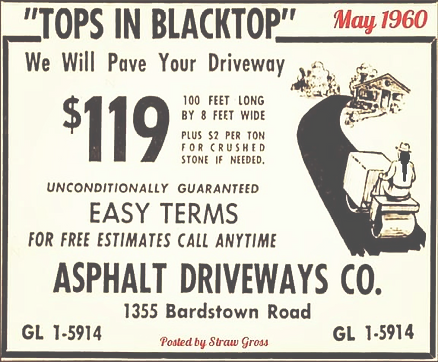
Up until 2017, ADC Paving was primarily serving Kentucky counties as a residential paving contractor. The company name was originally an acronym “Asphalt Driveways Company”.  Jack Wood, started the company in 1959 and ran a successful paving operation until his passing in 1980. At that point, my aunt took over and she was my mentor and gateway into my career and newfound passion. I was able to learn much of the day-to-day operations of how a proper construction, paving, and pavement maintenance company should operate. I will be eternally grateful for the time, opportunity, and knowledge she bestowed upon me

I truly look forward to sharing my story and experiences through this platform. Our Louisville paving service has moved well beyond the days of small driveway patch jobs and I am ever more driven to utilize modern technologies, a team I am proud of and the years of experience to provide our commercial clients a new level of expectation from a construction contractor. I simply could not do so without first giving tribute to those who have paved the way before me.


-ADC Paving

Paving Louisville, Kentucky and Southern Indiana Since 1959

Asphalt Paving Maintenance: ADC Paving in 2020

Asphalt paving is not necessarily a difficult concept to grasp. It is a compound of rocks, sand, and tar. You will, however, want to understand a few more things in depth if you have visions of providing a high-end, reliable product to commercial customers. Proper mixtures, the effects of ground and air temperatures, grading and drainage, weight and gravitational properties, protective maintenance compounds, and countless additional items only account for a portion. And though a faction of our business will always provide paving and maintenance services to residential projects of specific criteria, our knowledge base is grounded in commercial paving and property maintenance, and technology is now our vehicle.

Over the past few years, ADC Paving has become a leader in technological preparation for paving in the Louisville, Kentucky and Southern Indiana region. On large scale jobs, we plan for weeks by making site visits, identifying potential problems, utilizing survey programs, and viewing drone footage. Then, we discuss every aspect as a team before we ever get to the job. My favorite part of using these technologies is educating our customers. Even during the bidding process, we pride ourselves in giving thorough information that is easy to understand. Our presentation will answer most of your questions about time frames, phasing, and final procedures making it easy for someone new to paving to follow and even present to others.

Project design and property beautification have become an obsession of not only myself, but of the ADC Paving staff as well. We have customized parking lots and had the pleasure of working with a variety of real estate agents, properties managers and groups, facilities managers, business owners, construction project specialists, multi-location parking lot jobs, educational institutions, community-based realities and more. It thrills me to be excelling in paving services for a variety of causes as each situation is unique and the business relationships that emerge are built to last.

I invite you to check out our services, testimonials, and social media outlets if you want to see our pride in action. We are ready for business and your partnership and would be excited to discuss becoming your partner in paving.

-ADC Paving

Paving Louisville, Kentucky and Southern, Indiana Since 1959

Request an Estimate